Sleeping bag or hut liner?
Check the sleeping equipment required by every booked hut before packing. DAV lists a hut liner and asks guests to check each hut’s own information. Do not assume bedding, meals or indoor footwear are provided.
GEAR FOR YOUR ADVENTURE
Build a compact overnight kit around footwear, weather protection, navigation and the hut’s own requirements.
Back to the adventure guide ↗
BEFORE YOU BUY
For walkers preparing a non-technical hut-to-hut trip. These checks help you use the packing list; your exact route, conditions and hut rules still determine what is required.
Check the sleeping equipment required by every booked hut before packing. DAV lists a hut liner and asks guests to check each hut’s own information. Do not assume bedding, meals or indoor footwear are provided.
There is no capacity that fits every three-day trip. NKBV relates pack volume to trip length and season. Athvaro’s practical check: lay out your actual kit, add food and water, then test volume and loaded fit. Do this before comparing models.
Start with equipment you own. Use the checklist to identify missing items and duplicates, then test your packed kit on a walking day. DAV explicitly warns against saving weight by leaving out safety equipment. A shorter trip does not remove route-specific requirements.
Sources for these decisions checked 23 October 2026; this is not a check of current route conditions or hut availability. Packing and fitting steps are Athvaro editorial guidance, not firsthand product tests.
START WITH THE ACTIVITY
Use this as a starting point, then adapt it to your route, season, accommodation and organiser requirements.
Test your footwear on long climbs and descents with the socks you will use.
Keep a waterproof layer and warm layer accessible in your pack.
Test the loaded pack, carry navigation and water, and check each hut’s liner, footwear and payment requirements.
PACKING LIST
For a normal non-technical hut-to-hut walk, start with tested footwear, a fitted pack, weather layers, water and food, offline navigation, basic safety gear, hut-specific sleeping items and your booking/payment documents. Then remove duplicates. Glacier, via ferrata, winter or unusually remote routes need a separate equipment and skills check.
Test these together on a full walking day before departure.
Pack for the highest and most exposed part of the route, not the valley forecast alone.
The exact route can require more than a generic walking checklist.
Hut rules differ, so verify every booked hut rather than assuming one universal rule.
Keep the essentials accessible and store confirmations offline.
Do not add a full sleeping bag, cooking equipment, large spare wardrobes or specialist mountain equipment simply because they appear on someone else's list. Check your exact huts, route, season and terrain first. Carrying less is useful only after required safety and route-specific equipment are covered.
Checkbox selections stay in your browser and are not saved or sent.
CHOOSE WITH PURPOSE
Start with what you already own and test it on a similar training session or walking day. Fit, conditions and your stage plan matter more than a brand or price.
Kit lists, permitted equipment and conditions can change. Use the official information for your route or edition before travelling or buying anything.
Official information ↗Check this route’s required kit and hut requirements first. The backpack guide separates day walks, compact hut-to-hut kit and self-supported camping; it does not certify a model for this route.
Use the backpack selection guide →RELATED GEAR
These products relate to part of the activity; they are not a complete kit list or personal recommendation. Product facts come from manufacturers; Athvaro has not independently tested them.
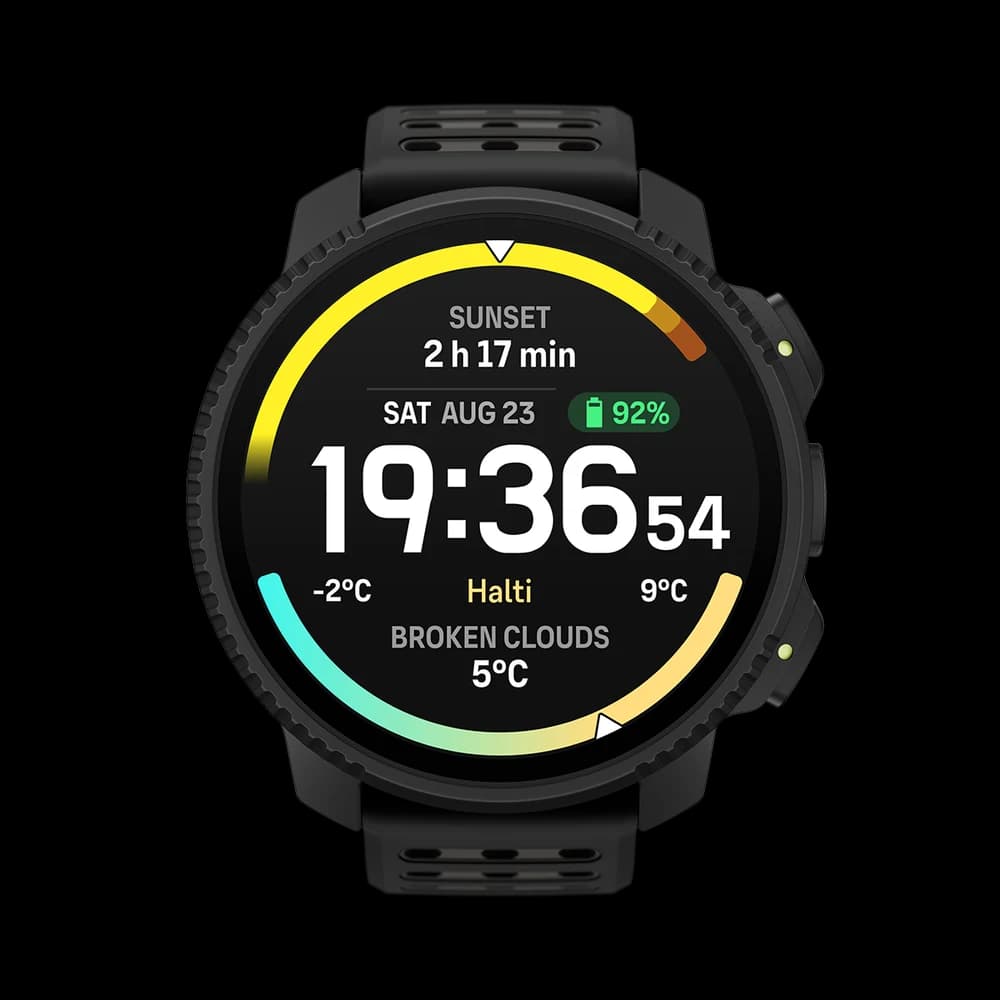
An outdoor-focused GPS watch to compare for hut-to-hut hiking: offline mapping, physical buttons and an integrated light in one wrist-mounted tool.
See product and trade-offs →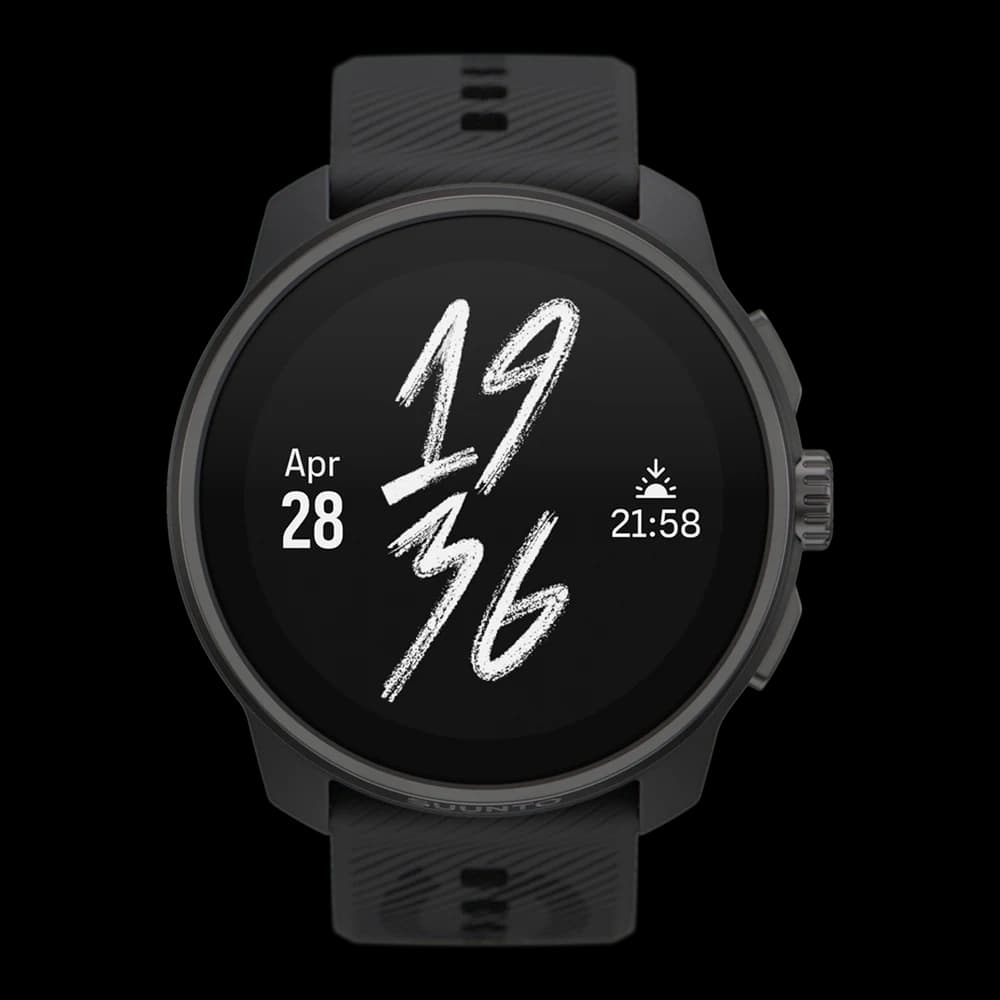
A smaller AMOLED multisport watch with offline maps for training and walkers who prefer a more compact wrist fit.
See product and trade-offs →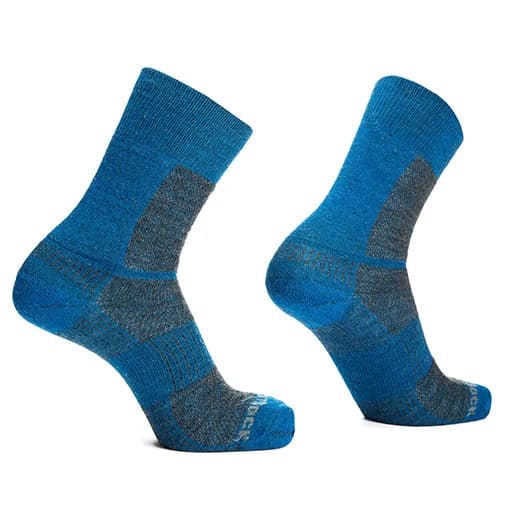
A medium-thickness merino double-layer option for walking days and hut-to-hut packing when a little more sock volume suits your boots.
See product and trade-offs →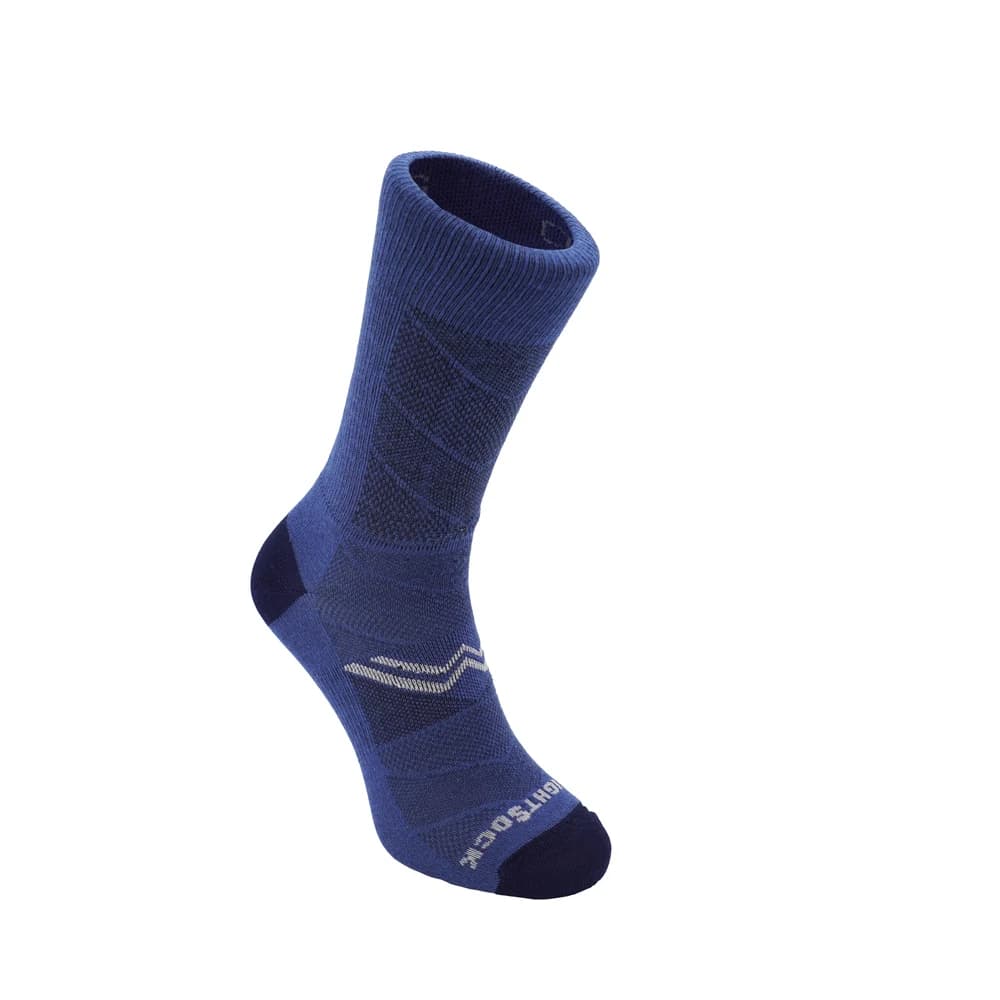
Light, thin double-layer crew socks for walks and warmer training days when you want less bulk inside your footwear.
See product and trade-offs →